
Our Location
304 North Cardinal St.
Dorchester Center, MA 02124

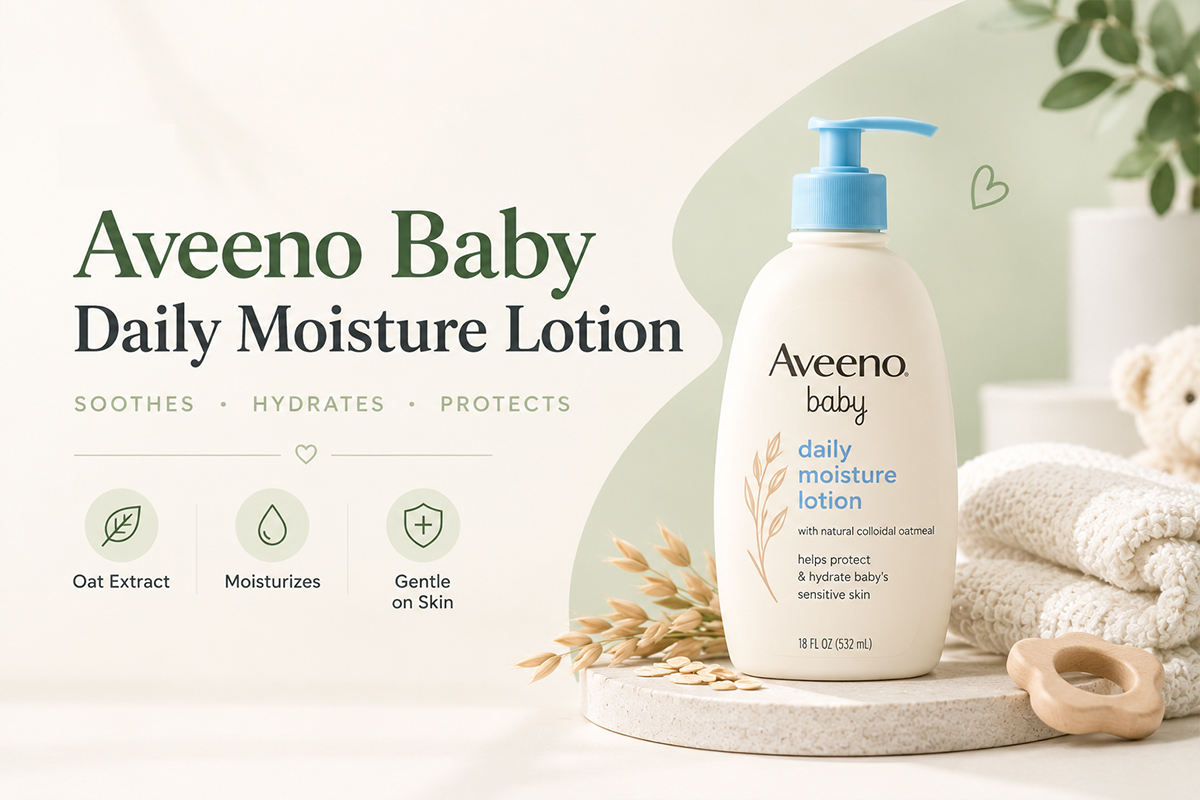
Looking for the best baby lotion for skin? Choosing the right lotion is essential to keep your baby’s delicate skin soft, hydrated, and protected. In this guide, we’ll review the top baby lotions, explain what ingredients to look for, and help you choose the safest option for your little one.
Looking for the best baby lotion for dry skin? This guide covers top-rated baby lotions, key ingredients to look for, ingredients to avoid, and expert tips for keeping your baby’s skin soft and healthy.
If your baby’s skin feels rough or flaky after bath time, you are not alone. Many parents worry about their baby’s dry skin — and for good reason. Baby skin is extremely delicate and still adjusting to life outside the womb.
Choosing the right baby lotion for dry skin is essential. The right product keeps your baby comfortable, protects their skin barrier, and prevents irritation. With so many options on store shelves, finding the best one can feel overwhelming.
This guide will help you understand what causes dry skin in babies, which ingredients to look for, which to avoid, and which baby lotions are best suited for dry and sensitive skin.
Babies are born with a natural coating called vernix caseosa, which protects their skin in the womb. After birth, this coating disappears and the skin must adapt to a much drier environment. This adjustment process often causes temporary dryness and peeling.
Other common causes of dry skin in babies include:
Seasonal changes play a major role in how your baby’s skin behaves:
Some babies are born with naturally more sensitive skin. Eczema (atopic dermatitis) affects up to 20% of children and causes red, itchy, and inflamed patches on the skin. It can be uncomfortable and challenging to manage.
Eczema and dry skin are related but different conditions. If your baby’s skin appears red, weepy, or severely irritated, consult your pediatrician or a pediatric dermatologist before selecting a skincare product.
Think of your baby’s skin barrier like a brick wall. The “bricks” are skin cells, and the “mortar” is made up of natural lipids (fats) that hold everything together. These fats keep moisture in and irritants out. When this barrier is weakened, moisture escapes and the skin becomes vulnerable.
Applying a good baby lotion helps restore and reinforce this barrier, keeping your baby’s skin healthy and less prone to irritation.
Regular moisturizing offers several important benefits:
The best time to apply baby lotion is right after bath time — within 3 minutes of gently patting the skin dry. At this point, the skin is slightly damp and the lotion can seal in moisture far more effectively.
Not all baby lotions are created equal. When shopping for the best baby lotion for dry skin, here are the most important factors to consider:
Fragrance is one of the most common skin irritants. Even products labeled “lightly scented” or “natural fragrance” may contain dozens of undisclosed chemicals. For babies with dry or sensitive skin, always choose a fragrance-free baby lotion.
“Hypoallergenic” means the product is formulated to minimize the risk of allergic reactions. While no product can guarantee zero reactions, hypoallergenic baby lotions undergo careful testing to minimize common irritants.
Look for products that have been tested by dermatologists and recommended by pediatricians. These products have been evaluated for safety and efficacy on baby skin — not just marketed as such.
For babies with dry skin, a thicker lotion or cream is generally more effective than a thin, watery formula. Thicker products contain more occlusive ingredients that form a protective layer on the skin, preventing moisture from escaping. Lighter lotions may not provide sufficient hydration for very dry skin.
Ceramides are lipid molecules naturally found in the skin. They make up approximately 50% of the skin’s barrier. When ceramide levels drop, the barrier weakens and moisture escapes more easily.
Baby lotions with ceramides actively restore and reinforce the skin barrier. This makes them especially beneficial for babies with dry or eczema-prone skin. CeraVe is one of the most recognized brands that uses ceramide-based formulas.
Glycerin is a humectant — it draws moisture from the environment into the skin. It is one of the most well-researched moisturizing ingredients available and is gentle enough for newborns. Products with glycerin are excellent for all-day hydration and work best when paired with an occlusive ingredient to seal moisture in.
Shea butter is derived from the nut of the African shea tree. It is rich in fatty acids and vitamins A and E, making it highly effective for softening rough skin and soothing mild inflammation.
Shea butter is generally safe for babies. However, if your family has a history of nut allergies, consult your pediatrician before using shea-based products.
Colloidal oatmeal is finely ground oats suspended in liquid. It has been used for centuries to calm irritated skin, and the FDA recognizes it as a safe and effective skin protectant.
It works by forming a protective layer on the skin, helping to reduce inflammation and relieve itchiness. It is particularly helpful for babies with eczema or sensitive skin. Aveeno is a well-known brand that uses colloidal oatmeal in its formulas.
Coconut oil is a popular natural option among parents. It contains lauric acid, which has mild antimicrobial properties, and acts as an occlusive moisturizer that helps lock in hydration. Some studies suggest it may benefit babies with dry skin or mild eczema.
However, not every baby reacts well to coconut oil. If you want to try it, choose an organic, virgin coconut oil and always perform a patch test first.
Aloe vera is well known for its cooling and soothing properties. It contains a high water content and special polysaccharides that help keep skin hydrated. It is particularly effective for skin that has been irritated by environmental factors.
When choosing aloe-based products, look for formulas where aloe vera is listed among the top ingredients to ensure you are getting a meaningful concentration.
Reading labels is not optional when it comes to baby skincare. Here are the ingredients to watch out for:
Fragrances — even those derived from “natural” sources — are among the most common skin allergens. They serve no moisturizing benefit and are purely cosmetic. For dry or sensitive baby skin, fragrances can trigger rashes, redness, and irritation.
Not all alcohols are harmful. Fatty alcohols like cetyl alcohol and stearyl alcohol are actually beneficial — they help moisturize and condition the skin.
However, drying alcohols such as isopropyl alcohol, ethanol, and SD alcohol strip the skin’s protective barrier and worsen dryness. Check the ingredient list and avoid products where these drying alcohols appear near the top.
Sulfates like sodium lauryl sulfate (SLS) are powerful cleansing agents commonly found in soaps and body washes. While effective at removing dirt, they are also very efficient at stripping away the natural oils your baby’s skin needs, making dryness and irritation worse.
Parabens are synthetic preservatives used to extend shelf life in personal care products. Research on their long-term safety is still ongoing, and many pediatricians and parents prefer to avoid them in baby products. Look for products labeled “paraben-free” if you wish to steer clear.
Key Ingredients: Three essential ceramides, hyaluronic acid, glycerin
Overview: Developed with dermatologists, CeraVe Baby Moisturizing Lotion is one of the most clinically recommended options for babies with dry or eczema-prone skin. It contains three types of ceramides that restore and maintain the skin’s natural barrier, hyaluronic acid for long-lasting hydration, and glycerin to draw moisture into the skin.
Pros:
Cons:
Best For: Babies with dry, sensitive, or eczema-prone skin who need barrier repair.
Key Ingredients: Colloidal oatmeal, dimethicone, glycerin
Overview: Aveeno’s trusted colloidal oatmeal formula helps maintain the skin’s natural moisture balance for up to 24 hours. Dimethicone creates a protective layer to lock in hydration while oatmeal soothes irritated skin.
Pros:
Cons:
Best For: Daily moisturizing for babies with mild to moderate dry or sensitive skin.
Key Ingredients: Pro-Vitamin B5, sunflower oil, glycerin
Overview: Eucerin Baby Lotion is dermatologist-recommended and formulated specifically for dry and sensitive baby skin. Pro-Vitamin B5 (panthenol) supports skin healing and moisture retention, while sunflower oil — rich in essential fatty acids — helps repair the skin barrier.
Pros:
Cons:
Best For: Babies with irritated or compromised skin who need a gentle, dermatologist-trusted formula.
Key Ingredients: Glycerin, mineral oil, vitamin E
Overview: Johnson’s Baby Lotion is one of the most recognized names in baby care. It absorbs quickly, is easy to apply, and is free from parabens, phthalates, and sulfates.
Pros:
Cons:
Best For: Babies with normal to mildly dry skin who need a simple, everyday moisturizer.
Key Ingredients: Avocado perseose, sunflower oil, glycerin
Overview: Mustela is a brand trusted by pediatricians and dermatologists worldwide. Their Hydra Bébé lotion features avocado perseose — a patented ingredient that protects and hydrates skin cells. The formula is made from 92% natural-origin ingredients and is free from parabens and other harsh chemicals.
Pros:
Cons:
Best For: Parents seeking a premium, natural-origin lotion for everyday use.
Newborns have very thin, highly absorbent skin. For the first few months, stick to simple, gentle formulas with minimal ingredients. As your baby grows, you can introduce products with more targeted moisturizing ingredients.
If your baby frequently develops redness, rashes, or dry patches, choose fragrance-free, dermatologist-tested formulas with as few ingredients as possible. For sensitive baby skin, less is always more.
If you are moisturizing every day, choose a product gentle enough for frequent use. Some richer creams may be too heavy for daily application in warmer weather — consider using a lighter lotion for everyday care and a thicker cream for extra-dry patches.
The ideal time is right after bath time. However, you can also reapply during diaper changes or any time the skin appears or feels dry throughout the day. There is no such thing as over-moisturizing — as long as the product is gentle and appropriate.
Using a cool-mist humidifier in your baby’s room during winter can help maintain indoor moisture levels and prevent the dry air from dehydrating your baby’s skin.
| Feature | Baby Lotion | Baby Oil |
|---|---|---|
| Consistency | Cream/lotion with water base | Pure oil (mineral or plant-based) |
| Absorption | Absorbs into skin | Sits on skin’s surface |
| Key function | Hydrates and moisturizes | Seals moisture in (occlusive) |
| Best use | Daily all-over moisturizing | Massage, or layering over lotion |
| Ingredients | Multiple (ceramides, glycerin, etc.) | Usually minimal |
| For dry skin | Best first choice | Effective as a second step |
Baby lotion is generally the better choice for managing dry skin on a daily basis because it delivers active moisturizing ingredients directly to the skin.
Baby oil works well as a complement — applying oil to damp skin before lotion creates a two-step moisture-sealing routine that is especially effective for very dry or eczema-prone skin.
1. Which baby lotion is best for dry skin overall? CeraVe Baby Moisturizing Lotion and Aveeno Baby Daily Moisture Lotion are most frequently recommended by dermatologists for dry and sensitive baby skin. Both are fragrance-free and clinically tested.
2. Can I use adult lotion on my baby? No. Adult lotions are formulated for mature skin and may contain ingredients that irritate or harm a baby’s more delicate skin. Always use products designed specifically for babies.
3. How often should I moisturize my baby’s skin? Apply lotion after every bath. If your baby has dry skin, moisturize 2 to 3 times per day — after the bath, during diaper changes, and before bedtime.
4. Is coconut oil safe for babies with dry skin? Coconut oil can be used on babies, but always do a patch test first. If your baby has eczema, consult your pediatrician before using it.
5. Which ingredients should I absolutely avoid in baby lotions? Avoid artificial fragrances, drying alcohols (isopropyl alcohol, ethanol, SD alcohol), sulfates (SLS), and parabens.
6. My baby has eczema. Which lotion should I use? Look for lotions accepted by the National Eczema Association. CeraVe Baby Moisturizing Lotion and Aveeno Baby Eczema Therapy are commonly recommended options. Always follow your pediatrician’s advice for managing eczema.
7. Can I use lotion on a newborn’s skin? Yes, but choose a gentle, fragrance-free formula specifically designed for newborns. CeraVe Baby and Eucerin Baby are both gentle enough for newborn skin.
8. Is it normal for newborn skin to peel in the first few weeks? Yes. Newborn skin commonly peels in the first 1 to 3 weeks after birth. This is normal and typically resolves on its own. A gentle moisturizer can help ease the process.
9. Should I apply body lotion before or after diaper cream? Apply body lotion to your baby’s skin first, then apply diaper cream specifically to the diaper area. Avoid applying general body lotion to the diaper area, as it does not provide the same barrier protection as diaper cream.
10. Does baby lotion expire? Yes. Always check the expiration date on the packaging. Store baby lotion at room temperature and away from direct sunlight. Using expired lotion may reduce its effectiveness and could potentially irritate your baby’s skin.
There is no single best baby lotion for all babies — the right choice depends on your baby’s specific skin needs. Here is a quick summary:
The best baby lotion for dry skin is ultimately the one your baby tolerates well and that you will use consistently. Every baby’s skin is different, and what works for one may not work for another.
Before applying any new lotion, do a patch test on your baby’s inner forearm and wait 24 to 48 hours to check for any redness, bumps, or irritation. If your baby’s dry skin does not improve or if you notice signs of eczema, consult your pediatrician.
With the right lotion, a consistent routine, and a little patience, your baby’s skin will be soft, healthy, and comfortable.
Disclaimer: This article is for informational purposes only and does not constitute medical advice. Always consult your pediatrician or a qualified healthcare professional for concerns about your baby’s skin health.
